
The Messy Reality of Week One: What New Parents Really Experience
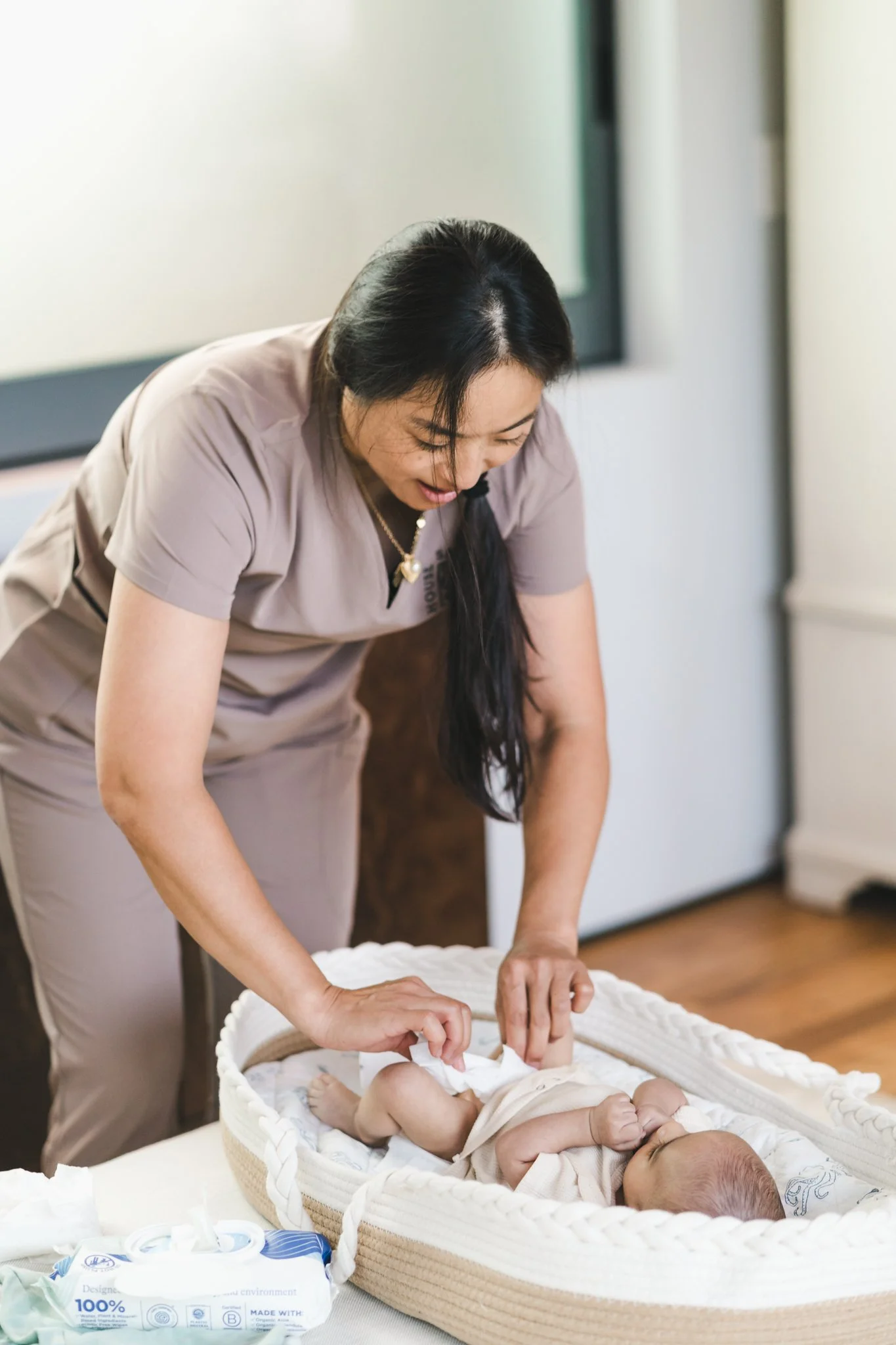
The first week postpartum is a whirlwind: raw, beautiful, and often overwhelming. Many new parents find themselves surrounded by a blur of diapers, tears (from both baby and adults), and a body that feels unfamiliar. The messy reality of week one postpartum is rarely shown in glossy photos, but it’s a universal experience that deserves to be talked about openly. In this post, we’ll walk through what really happens during those first seven days, offer practical steps for navigating the chaos, and provide calm, grounded guidance to help you feel less alone. Whether you’re preparing for your own postpartum journey or supporting a loved one, you’ll find real-life examples, actionable checklists, and gentle reminders that it’s okay for things to feel messy.
What This Looks Like in Real Life
The first week home with a newborn is a study in contrasts. Many families describe feeling immense love and gratitude, but also exhaustion, confusion, and even grief for their “old” life. It’s common to:
Wake up unsure what day it is
Cycle through multiple outfits (for both you and baby) due to spit-up, milk leaks, or diaper blowouts
Feel overwhelmed by the sheer volume of laundry and dishes
Experience emotional ups and downs, sometimes within the same hour
One parent shared, “I thought I’d be able to rest while the baby slept, but I was constantly checking if she was breathing. I cried more than I expected, and so did my partner.” These moments are not failures, they’re part of the adjustment.

The Week One Survival Checklist
Having a plan can make the first week feel a little less daunting. Here’s a practical checklist to help you focus on what matters most:

Prioritize rest whenever possible (even short naps count)
Keep water and snacks within arm’s reach
Accept help from friends, family, or postpartum support services
Set up a “nest” with essentials: diapers, wipes, burp cloths, phone charger, and a cozy blanket
Limit visitors to those who bring comfort, not stress
Write down questions or concerns to discuss with your provider
Step-by-step for a smoother day:
Start your morning with a glass of water and a nourishing snack.
Do a quick check of your “nest” supplies.
Take 10 minutes to breathe deeply or stretch, even if you’re holding your baby.
Ask for help with one household task.
End your day by acknowledging one thing you did well.
Navigating Emotional Highs and Lows
The emotional landscape of week one is intense. Many parents feel joy, relief, and awe, but also frustration, sadness, or anxiety. It’s common to:
Cry unexpectedly, even if you’re not sure why
Feel disconnected from your partner or baby at times
Worry about “doing it right” or compare yourself to others
Remember, these feelings are normal. If you’re concerned about your mood or mental health, reach out to a trusted provider. You’re not alone, and support is available.
Common Mistakes and How to Gently Avoid Them
No one gets through the first week perfectly. Some common missteps include:
Trying to do too much, too soon
Ignoring your own needs in favor of the baby’s
Hesitating to ask for help
Comparing your experience to curated social media posts
Gentle reminders:
It’s okay to leave dishes in the sink.
Your body needs time to heal, rest is productive.
Every family’s journey is unique. There’s no “right” way to feel.
Building Your Support System
Support can make all the difference in the first week. Consider:
Asking a partner or friend to handle meals or errands
Connecting with other new parents (online or in person)
Exploring postpartum support services for practical help and reassurance
Setting boundaries with visitors to protect your rest and privacy
A strong support system isn’t a luxury, it’s a necessity for many families during this transition.
The Sanhu House Point of View
At Sanhu House, we believe the first week postpartum should be met with calm, practical support, not pressure to “bounce back” or do it all. Our approach honors the real-life needs of modern families: rest, warmth, nourishment, and a sense of community. We draw inspiration from time-honored postpartum care traditions, adapting them thoughtfully for today’s parents and partners. Whether you’re seeking a peaceful environment, nutritious meals, or simply a listening ear, our team is here to support you, without judgment or fuss.
Ready for More Postpartum Support?
If you found this guide helpful, subscribe to our newsletter for more real-life postpartum insights and tips. Curious about how Sanhu House can support your family’s first week? Reach out to inquire or explore more of our resources for new parents.

FAQ
Is it normal to feel overwhelmed during the first week postpartum?
Yes, it’s very common to feel overwhelmed. The combination of physical recovery, sleep deprivation, and new responsibilities can be intense. Remember, you’re not alone, many families experience these feelings.
How can partners best support during week one?
Partners can help by handling household tasks, offering emotional support, and encouraging rest. Small gestures, like bringing water or a snack, can make a big difference.
What if I’m struggling to bond with my baby?
Bonding can take time, and it’s normal for some parents to feel a gradual connection. Gentle skin-to-skin contact, talking, and holding your baby can help. If you’re concerned, consider reaching out to a provider for support.
When should I seek help for my emotional health?
If you’re feeling persistently sad, anxious, or unable to care for yourself or your baby, it’s important to contact a healthcare provider. Support is available, and reaching out is a sign of strength.
