
C-Section Recovery: What to Expect (The Honest Guide)
One in three babies born in the United States arrives by C-section.
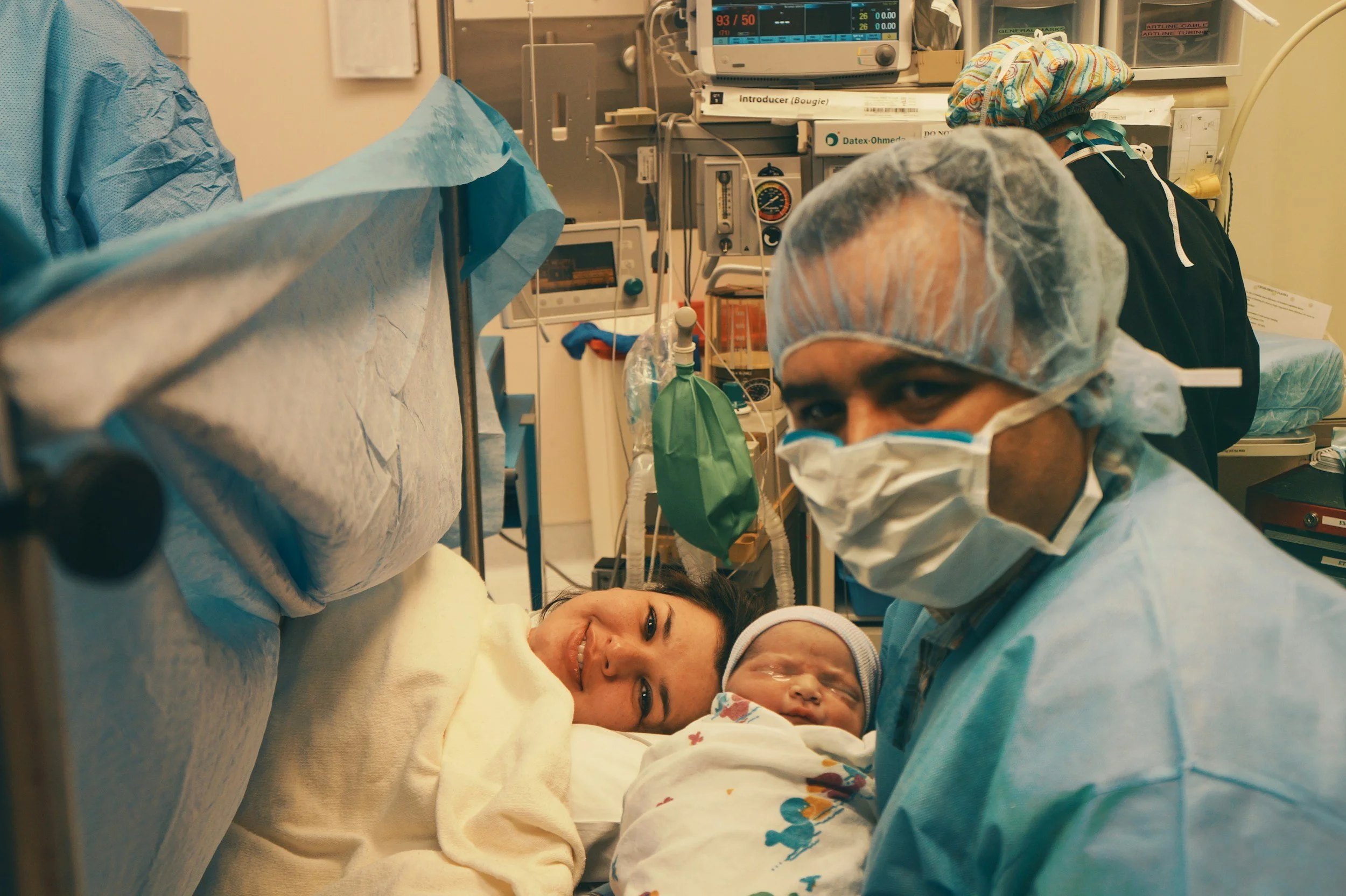
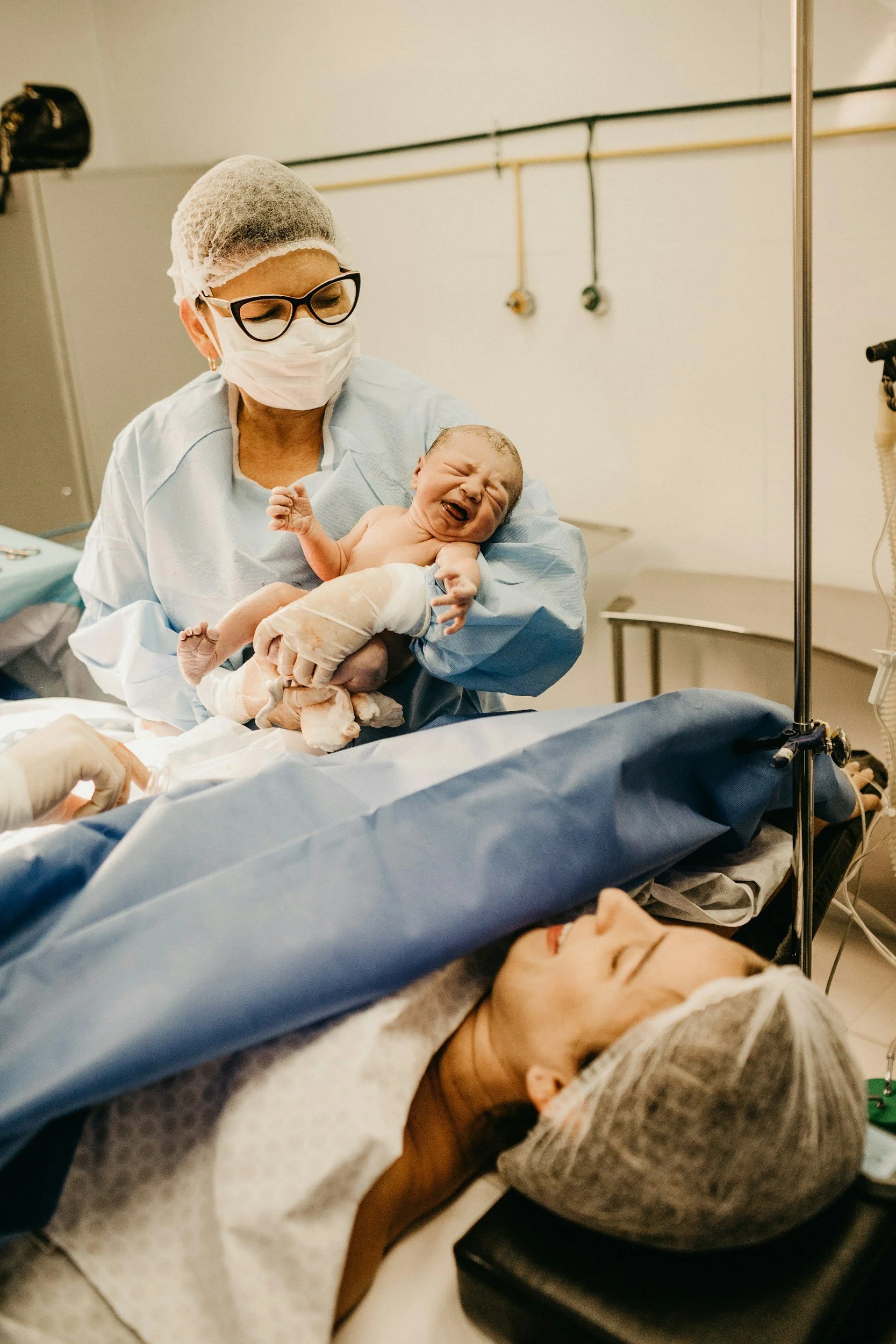
It's one of the most common surgeries performed every single day — and one of the most under-discussed when it comes to what recovery actually looks like.
Many mamas arrive home from the hospital with a short discharge sheet and a general sense that they'll "figure it out." What follows is often a first week full of surprises: pain that's harder than expected, limitations nobody mentioned, and a lot of questions at 2am.
This guide covers what three OBGYNs and a certified birth educator want every c-section mama to know — before birth if possible, and definitely before coming home.
A C-section Is Major Abdominal Surgery
This framing matters. A C-section involves cutting through seven layers of tissue - skin, fascia, muscle, and uterus - to deliver your baby. Recovery is not measured in days. It's measured in weeks.
General recovery expectations:
- Two to four days in hospital before discharge
- No lifting anything heavier than approximately 10 pounds for six weeks (a gallon of milk weighs about 9 pounds — that's the reference point)
- No driving, no submerging in water, no strenuous activity
- Incision healing happening internally and externally, over weeks — not days
If a C-section wasn't in your birth plan, the recovery timeline can feel especially disorienting. That gap between expectation and reality is where most of the struggle lives, and naming it early helps.
What to Expect in the Hospital
The First Few Hours
Depending on whether your C-section was planned or emergency, you'll emerge from the OR with some combination of a spinal block wearing off, a catheter recently removed, and a new baby in your arms.
The catheter removal. A catheter drains your bladder during surgery and for several hours afterward. After it's removed, it's normal to have some discomfort, swelling, and an unusual sensation when urinating. A peri bottle with warm water can help.
Sensation returning. The numbness from your spinal block or epidural will fade over several hours. You may feel tingling or pins and needles in your legs before you feel ready to move.
The incision. Most C-sections use a horizontal incision low on the abdomen. Some emergency situations call for a vertical midline incision, which can involve more pain and a longer recovery.
Early Movement: Why It Matters
One of the most important things your care team will encourage — and one of the most counterintuitive — is getting up and moving within six to twelve hours of surgery.
This is not about toughness. Early movement:
- Prevents dangerous blood clots from forming in the legs
- Restarts bowel function after surgery
- Increases circulation to the incision site, supporting healing
- Reduces nausea associated with immobility
"Moving" doesn't mean walking laps around the unit. It means sitting on the edge of the bed and dangling your feet. It means standing up briefly with support. It means walking to the bathroom when you're ready. Small movements. Real impact.
The Gas and Constipation Issue
The combination of a spinal block, post-operative pain medications (particularly opioids), and the slowing of normal bowel function after abdominal surgery creates a significant risk for constipation and trapped gas. For some mamas, this is intensely painful — often more uncomfortable than the incision itself.
Your care team will likely:
- Give you stool softeners (take them even before you feel like you need them)
- Encourage high-fiber foods and plenty of fluids as soon as you're eating
- Track whether you've passed gas before clearing you for discharge
The protocol at home is the same: stool softeners, fiber, fluids, gentle walking.
Tools That Help With Recovery
Abdominal Binder
An abdominal binder is a wide, firm wrap worn around the belly after surgery. Research supports its use in improving recovery from major abdominal surgery — it stabilizes the incision, reduces movement of the wound site, and makes walking and standing significantly more comfortable.
Some hospitals provide them; others don't without asking. It's worth raising with your OB before surgery. If you're having a planned C-section, bringing one to the hospital is good preparation.
Use it for: walking, any activity where you're upright and moving. You may find it restrictive when sitting — that's normal. Switch to high-waisted compression leggings for rest.
High-Waisted Compression Leggings
These work on the same principle as the binder — gentle compression and support across the incision area. Many C-section mamas find them more comfortable for day-to-day wear in the first weeks. Buy one size up from your normal and take them to the hospital.
Warm Rice or Flaxseed Pack
A warm, weighted pack placed over the incision site provides comfort and serves as a soft brace for coughing, sneezing, or laughing. The slight weight keeps everything feeling secure in a way a regular heating pad doesn't.
The Pillow Brace
Any time you cough, sneeze, laugh, or bear down for a bowel movement, place a pillow firmly against your incision and hold it. This reduces the outward pressure on the wound. Hospital staff will show you this in the first day — and it remains relevant for weeks.
Going Home: What to Know
Pain Management
Most mamas are discharged with:
- Acetaminophen (Tylenol) — typically 500mg every six hours around the clock
- Ibuprofen (Motrin) — typically 600mg every six hours around the clock
- A short-term opioid for breakthrough pain if the above isn't sufficient
The most important instruction: set an alarm and take these on schedule. Getting behind on pain medication — because you're exhausted or distracted — is how the first day home becomes much harder than it needs to be.
Activity Restrictions
For six weeks after a C-section:
- No lifting over approximately 10 pounds
- No driving
- No tampons, douching, or submerging in water
- No sex
- Light walking is encouraged and beneficial; increase gradually as tolerated
Warning Signs: Call Your Doctor For
Incision concerns:
- Redness spreading around the incision
- Warmth or hardness at the site
- Discharge that is yellow, thick, bloody, or has an odor
- Incision that appears to be opening
Bleeding:
- Soaking through a pad in an hour
- Passing clots larger than a golf ball
- Sudden increase in bleeding after it had been decreasing
Systemic signs:
- Fever over 100.4°F
- Severe headache or visual changes
- Pain in the upper right abdomen
- Sharp pain in one leg with redness, warmth, or swelling (possible blood clot)
Unplanned C-Sections: The Emotional Side of Recovery
Approximately 50% of first-time C-sections are unplanned. About a quarter happen emergently.
Birth trauma is a recognized phenomenon. It can occur even when the outcome is healthy. Feelings of shock, grief, disconnection from the birth experience, or difficulty processing what happened are valid, documented responses — not signs of weakness or ingratitude.
"Healthy baby, healthy mom" is true and worth saying. It is also, sometimes, not the whole story.
What can help:
- Asking your birth team to walk you through what happened and why
- Giving yourself permission to feel whatever you feel without needing to justify it
- Seeking out a therapist, postpartum counselor, or support group familiar with birth trauma
- Talking to your care team about what you're experiencing emotionally
Planning Ahead: What C-Section Recovery Tells Us About Postpartum Preparation
The mamas who do best are the ones who had a realistic plan in place before coming home. Not because recovery is impossible without one — but because the first weeks postpartum, especially after surgical birth, are not the time to be figuring things out from scratch.
If you're building your postpartum plan before your due date:
- Who will help you in the first two weeks, and do they understand what C-section recovery actually involves?
- Is there someone who can hand you the baby, rather than you picking them up from a flat surface?
- Is there a plan for meals, household tasks, and overnight support?
- Do you have the recovery tools you need — binder, leggings, warm pack, stool softeners?
The best postpartum plan is the one made before you need it.
Sanhu House provides postpartum care in Los Angeles and Orange County, including in-home doula support, overnight newborn care, and retreat-style postpartum stays. Book an intro call at bit.ly/SanhuHouseIntro.
