The Fourth Trimester Gap: What California's Diaper Program Gets Right — and What's Still Missing

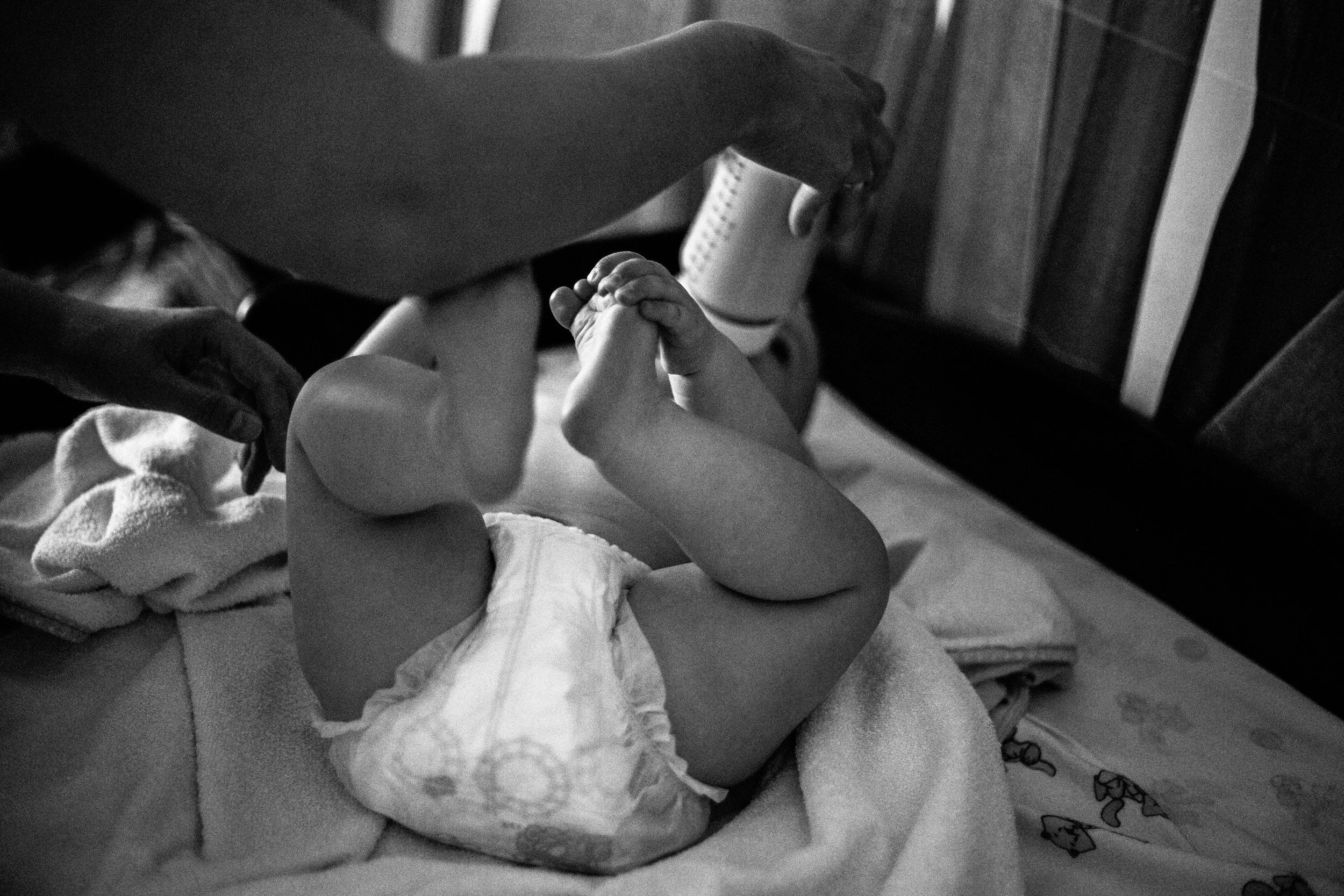
California just did something first-in-the-nation. This summer, every newborn born in a participating California hospital will go home with 400 free diapers - the Golden State Start program, a partnership between Governor Newsom and Baby2Baby. It is a real, tangible step toward easing the financial pressure on new families. It deserves to be celebrated.
And then it deserves to be followed.
Because 400 diapers covers roughly three weeks of supply. The fourth trimester lasts twelve. And what happens in those remaining nine weeks - to the mother, specifically - is where the American postpartum system goes almost completely quiet.
What "The Fourth Trimester" Actually Means
The term fourth trimester refers to the first three months after birth. It was coined to describe a period that is, in many ways, as physically and emotionally intense as pregnancy itself.
For the mother, this period typically involves:
Physical recovery from birth, whether vaginal or cesarean
Hormonal shifts that can affect mood, sleep, energy, and milk supply
The demands of newborn feeding, often every two to three hours around the clock
The onset or peak of postpartum depression or anxiety, which affects approximately one in five mothers in the US
The reorientation of identity, relationships, and daily life that comes with becoming a parent
This is not a gentle transition period. It is one of the most physically and psychologically demanding stretches of a woman's adult life. And the current standard of care in the United States responds to it with a single follow-up appointment — typically at six weeks postpartum.
The Gap Between Discharge and Recovery
Most mothers leave the hospital 24 to 48 hours after birth. They leave with a car seat, a pamphlet, and instructions to call if something seems wrong. The next scheduled touchpoint with the medical system is six weeks away.
In those six weeks: the physical recovery from birth is at its most acute. Sleep deprivation compounds daily. Feeding challenges — latch issues, supply questions, pain — often peak in the first two to three weeks. And the emotional weight of new parenthood, without structure or dedicated support, lands entirely on the family.
What's missing is not love or effort. Partners help. Family visits. Friends drop off meals. But help that arrives when available is not the same as care that is coordinated, consistent, and built around the mother's recovery.
No one checks in daily on how she is eating. No one asks whether she has left her bed. No one is tracking whether the physical recovery is on course or whether the anxiety that woke her at 3am last night is something that needs attention.
What Other Cultures Know That We Don't
The postpartum gap is not universal. In South Korea, the concept of sanhujori — a structured postpartum recovery period rooted in warmth, nourishment, and rest — has been embedded in culture and care for generations. New mothers spend the first several weeks after birth in dedicated rest, eating specific foods for recovery, receiving daily bodywork, and being actively cared for by a support system whose job is the mother's restoration.
Similar traditions exist across East Asia, parts of Latin America, and in many cultures worldwide. The logic is simple: a woman who has just given birth needs structured recovery. Her body has done something extraordinary. Treating that recovery as a priority — not an afterthought — produces better outcomes for mother and baby.
Sanhu House was built on this foundation. Sanhujori, adapted for modern families in Los Angeles and Orange County, delivered through The Care (in-home support), The Nights (overnight newborn care), and The Stay (retreat-style recovery).
The pillars are the same ones that have guided postpartum recovery for centuries: warmth, recovery, nutrition.
What Coordinated Postpartum Care Actually Looks Like
The difference between "we have some help lined up" and structured postpartum care is coordination.
At Sanhu House, The Care includes a dedicated doula team, access to the Sanhu Circle — a 24/7 WhatsApp group with doulas, IBCLCs, and the care team — a coordinated specialist network covering lactation, pelvic floor therapy, mental health support, and bodywork, and products and equipment set up before the mother arrives home.
Nothing is piecemeal. No one is trying to remember which specialist said what. The care team talks to each other. Questions get answered the same day, not after a three-day wait for a callback.
That coordination is not a premium add-on. It is what makes recovery possible.
The Policy Ambition We Need Next
Governor Newsom's diaper program signals something important: that California is willing to treat the early postpartum period as a policy priority, not just a private family matter. That framing matters. It opens a door.
The next questions worth asking: What would it look like to mandate a postpartum check-in before six weeks? What would it take to make structured recovery support accessible — not just for families who can navigate the system, but for every mother leaving every hospital in this state? What would change if we applied the same policy ambition to maternal recovery that we just applied to diaper costs?
The diapers are a start. The fourth trimester needs a next step.
FAQ
What is the fourth trimester and why does it matter?
The fourth trimester refers to the first three months after birth — a period of significant physical recovery, hormonal adjustment, and emotional transition for the mother. It matters because the support a mother receives during this period has a direct impact on her recovery, her mental health, and her capacity to care for her newborn. Most standard postpartum care in the US addresses this period with a single follow-up appointment at six weeks.
What is sanhujori?
Sanhujori is a traditional Korean postpartum care practice centered on three pillars: warmth, nourishment, and rest. It treats the postpartum period as a structured recovery time, not a return to normal life. Sanhu House delivers sanhujori-rooted care to families in Los Angeles and Orange County through in-home support, overnight care, and retreat-style recovery programs.
What does in-home postpartum care include?
Sanhu House's in-home care, called The Care, includes dedicated doula support, access to the Sanhu Circle (24/7 care team communication via WhatsApp), a coordinated specialist network covering lactation, mental health, pelvic floor therapy, and bodywork, and products and equipment set up before you arrive home. The goal is coordinated, consistent care built around the mother's recovery — not piecemeal help that arrives when available.
How is Sanhu House different from hiring a doula?
A standard postpartum doula provides individual support — one person, during scheduled hours. Sanhu House provides a coordinated care ecosystem: a doula team, a specialist network, 24/7 Sanhu Circle access, and care programming designed around sanhujori recovery principles. The difference is between one provider and a system built to support full recovery.
If you're expecting in Los Angeles or Orange County and want to understand what structured postpartum care could look like for your family, we'd love to talk. A 15-minute consult is a good place to start.
Book a consult → [link]