
What Is Sanhujori? The Three Pillars of Korean Postpartum Recovery
When families first hear about Sanhu House, one word comes up in almost every conversation: sanhujori.
It is the foundation of everything we do. But for many families outside of Korean culture, it is a new word - and a new way of thinking about what recovery after birth can look like.
This post is a simple, honest explanation of sanhujori: where it comes from, what it is built on, and why its principles are as relevant today as they have ever been.

Where Sanhujori Comes From
Sanhujori (산후조리) translates roughly as "postpartum care and recovery." It is a structured set of practices rooted in Korean culture, passed down through generations as a form of collective wisdom about what a mother's body needs after giving birth.
Traditionally, sanhujori was observed for 21 to 100 days after birth. During this time, the new mother rested deeply, ate warming and nourishing foods, stayed warm, and was cared for by women around her — her mother, mother-in-law, or community. She did not return to household duties. She was the one being cared for.
In South Korea today, this tradition continues in modern form through sanhujori centers — dedicated postpartum care facilities where mothers recover for several weeks after birth. These centers are not a luxury; they are a standard part of how new mothers are supported.
In the United States, that standard does not exist. Sanhu House was founded to bring it here.
The Three Pillars
At Sanhu House, we build every care experience around the three core principles of sanhujori. These are not abstract ideas — they translate directly into how we structure each day of care.
Warmth
In sanhujori tradition, warmth is understood as fundamental to recovery. After birth, the body is considered open and vulnerable. Warming the body from the inside out - through food, drink, temperature, and touch - supports healing and stabilizes the system.
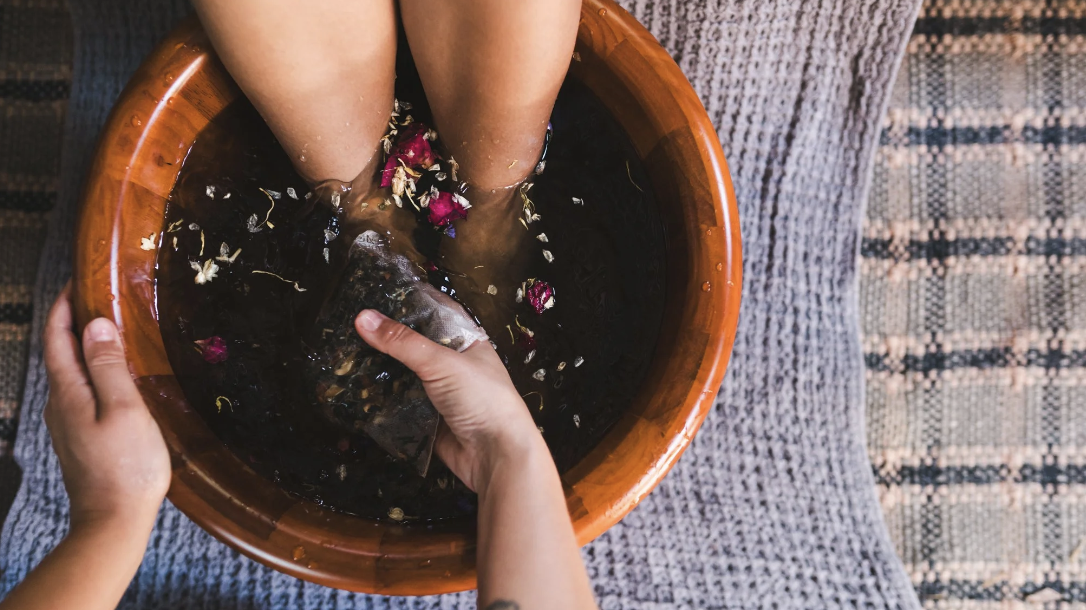
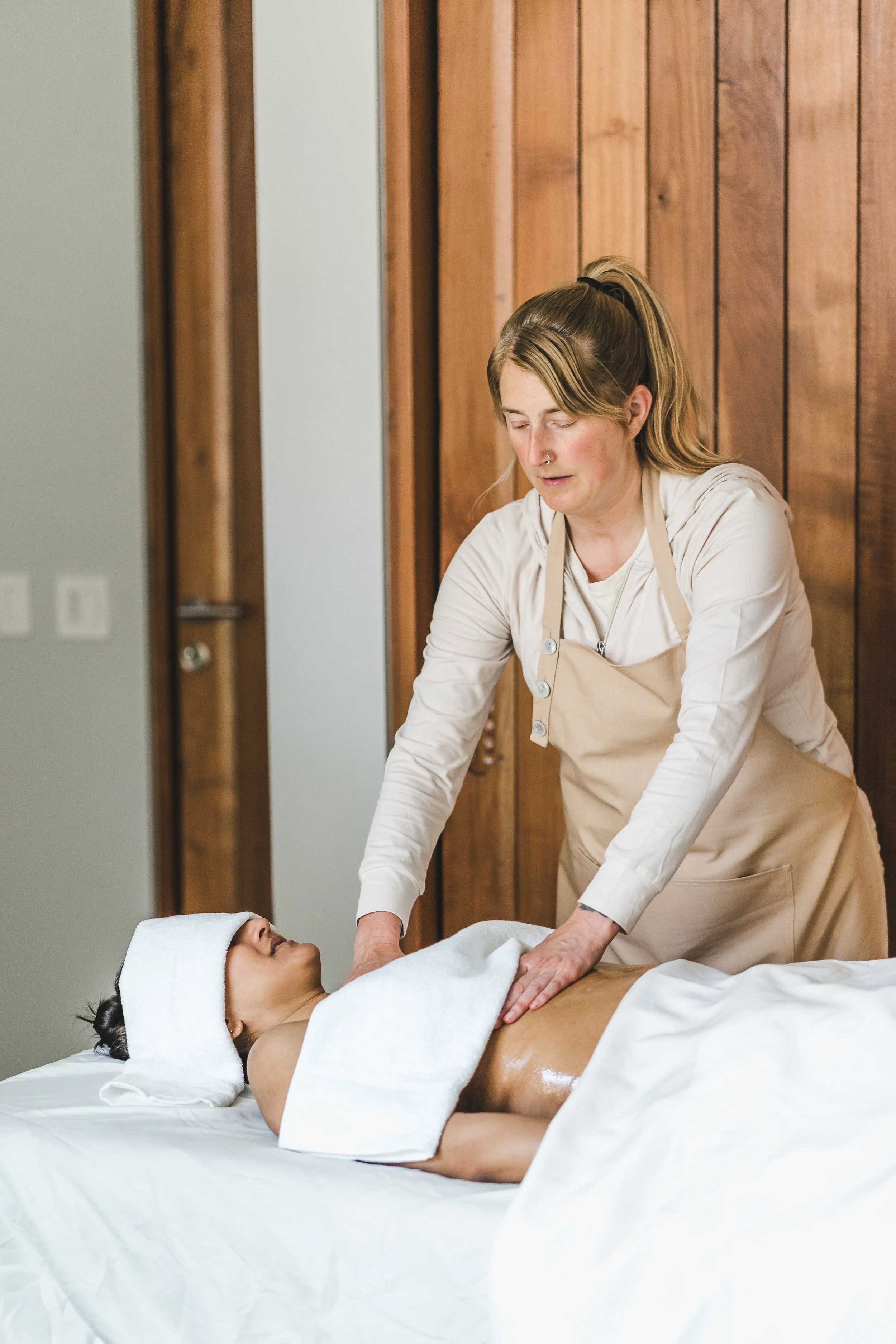
In practice, warmth shows up as herbal foot soaks at the close of each day, warm broths and recovery-supportive meals, temperature-regulated environments during care, and physical touch like light massage and bodywork. It is the presence of intentional care rather than the cold efficiency of a medical discharge.
Recovery
Recovery in the sanhujori framework means real rest - not the conditional, interrupted rest that most new mothers experience, but structured rest designed to allow the body to heal.
For Sanhu House families, recovery means protected sleep windows, a care team that handles newborn care so the mother can genuinely rest, and a daily rhythm that centers the mother's healing. It also means emotional recovery: space to process the birth experience, to ask questions, and to move through the first weeks with support rather than alone.
Nutrition
The third pillar is nourishment - specifically, the kind of nourishment that supports postpartum healing. Traditional sanhujori diets focus on warming, easily digestible foods that rebuild the body's energy: bone broths, seaweed soup (miyeokguk), warm grains, and foods that support milk production.
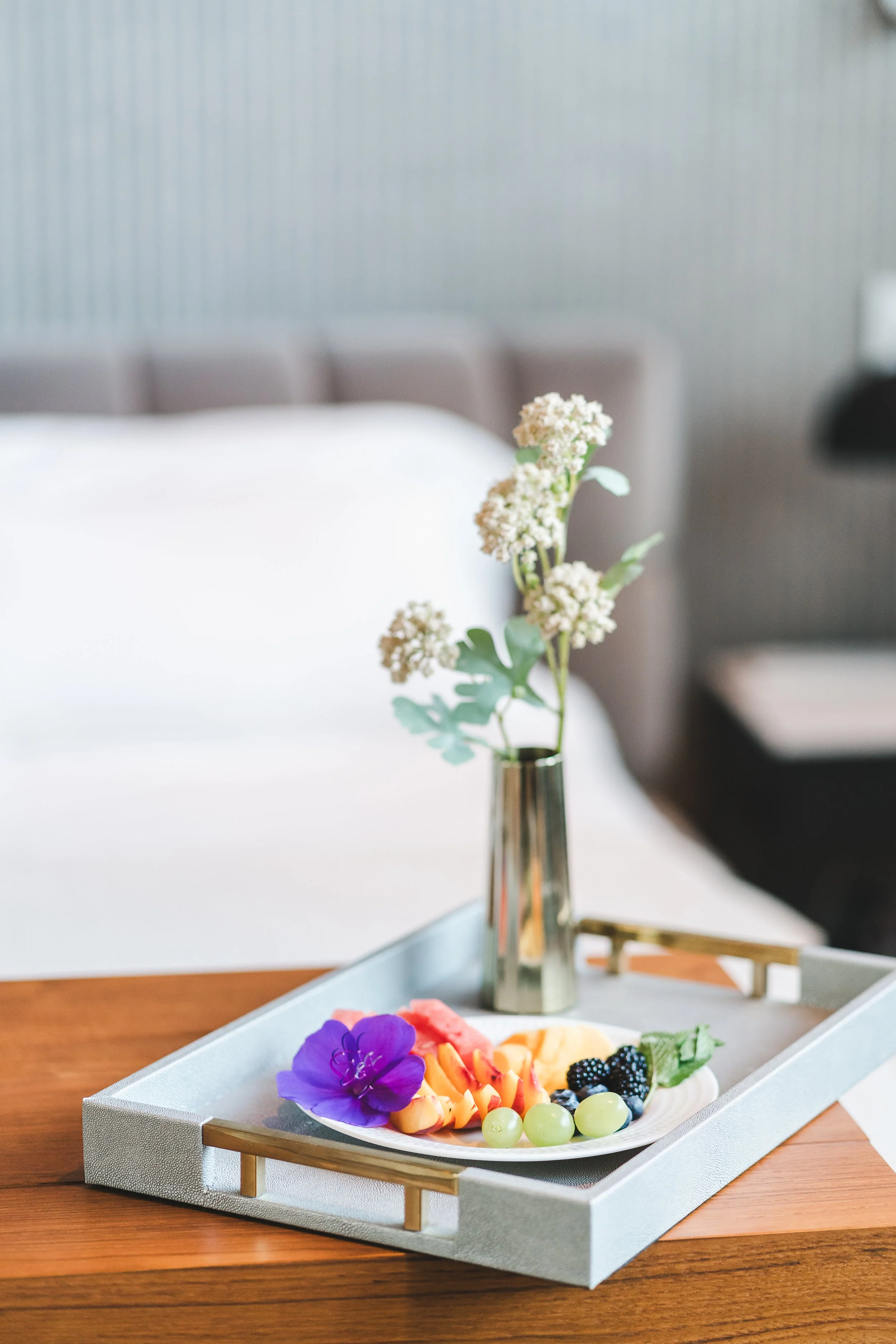
At Sanhu House, nutrition is built into every care day. Our doulas prepare recovery-supportive meals and snacks, and families can add a dedicated nutrition service for more personalized support. The goal is not restriction or optimization — it is restoration.
Why These Principles Work
Sanhujori is not a wellness trend. It is a centuries-old set of practices that emerged from careful observation of what the postpartum body actually needs.
Modern research supports what traditional cultures have known for generations: the first six to eight weeks after birth are a critical recovery window. Sleep deprivation has measurable effects on mood, cognition, and physical healing. Nutrition affects milk supply, energy, and hormonal recovery. Warmth and physical touch have documented effects on stress regulation and well-being.
What sanhujori understood intuitively, we now understand clinically. The problem is that our culture has not built structures to support it — leaving most new mothers to navigate recovery largely on their own.
Sanhujori at Sanhu House
Our services — The Care, The Nights, and The Stay — are each designed around these three pillars. The specific expressions change based on what a family needs and what service they choose, but the foundation is the same.
Warmth is in every herbal foot soak and every bowl of broth. Recovery is in every protected sleep window and every night of overnight support. Nutrition is in every meal prepared and every supplement recommendation made.
The name Sanhu House is not coincidental. It is a direct expression of what we believe and how we work.
FAQs
Is sanhujori only for Korean families?
No. The principles of sanhujori — warmth, recovery, nutrition — are rooted in universal postpartum biology. They address needs that every new mother has, regardless of cultural background. Our families come from a wide range of backgrounds and find deep resonance in the structure and care that sanhujori provides.
How long should postpartum recovery last?
Traditional sanhujori recommends 21 to 100 days. At Sanhu House, we typically support families for two to six weeks, depending on the service and the family's needs. Even a week of structured support can meaningfully change the early postpartum experience.
What makes Sanhu House different from a standard postpartum doula?
A postpartum doula provides support, but Sanhu House provides a coordinated recovery system. That means a matched doula team, a wraparound care network (lactation, bodywork, mental health support, nutrition), 24/7 access through our Sanhu Circle communication system, and products and equipment that are set up and ready. The sanhujori framework shapes how all of that is delivered — with intention, structure, and warmth at the center.
Does Carrot Fertility cover sanhujori-based care?
Sanhu House is a Carrot Fertility approved provider, which means care may be reimbursable for families with Carrot benefits. Reimbursement ranges vary by plan. We provide all necessary documentation for submission. We can also provide superbills for HSA/FSA reimbursement.
Book a Consult Call - or DM us CARE on Instagram to start the conversation.
