Baby Blues vs. Postpartum Depression: How to Tell the Difference
October 10th is World Mental Health Day. And while the conversation around mental health has grown — thankfully, meaningfully — there's one area where silence still reigns more than it should.
Postpartum mental health.
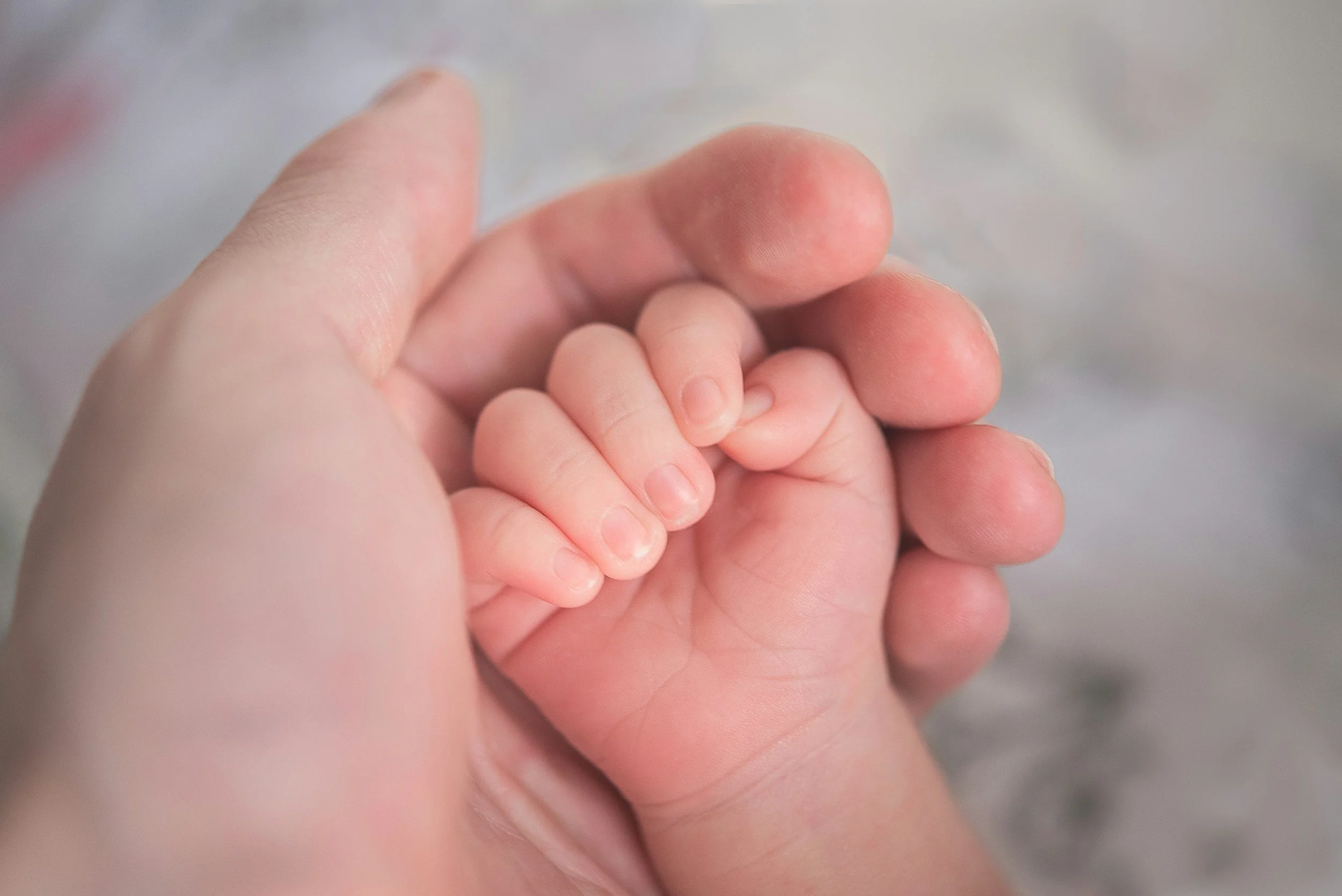
We still live in a world where new mothers are expected to be overjoyed. Where asking for help feels like admitting failure. Where the phrase "baby blues" gets used as a catch-all for something that is sometimes far more serious.
So let's talk about it clearly.
What are the baby blues?
The baby blues are real, and they are common. Up to 80% of new mothers experience them in the first week or two after birth.
They are driven primarily by hormones - specifically the dramatic drop in oestrogen and progesterone that happens after delivery. The result can look like:
Tearfulness that comes out of nowhere
Irritability or mood swings
Feeling overwhelmed or anxious
Difficulty sleeping even when the baby sleeps
A vague sense of emptiness
The key word here is temporary. Baby blues typically peak around day 3–5 and resolve on their own within two weeks.
What is postpartum depression?
Postpartum depression (PPD) is not a more intense version of the baby blues. It is a distinct clinical condition — and one that affects approximately 1 in 7 new mothers.
Unlike the baby blues, PPD:
Lasts longer than two weeks
Does not resolve on its own without support
Can begin any time in the first year after birth — not just in the immediate postpartum
Can develop gradually, which makes it easy to miss
Symptoms can include persistent sadness or emptiness, difficulty bonding with your baby, loss of interest in things you used to enjoy, feelings of guilt or worthlessness, difficulty making decisions, and in more severe cases, thoughts of harming yourself or your baby. If you are experiencing those last thoughts, please seek help immediately.
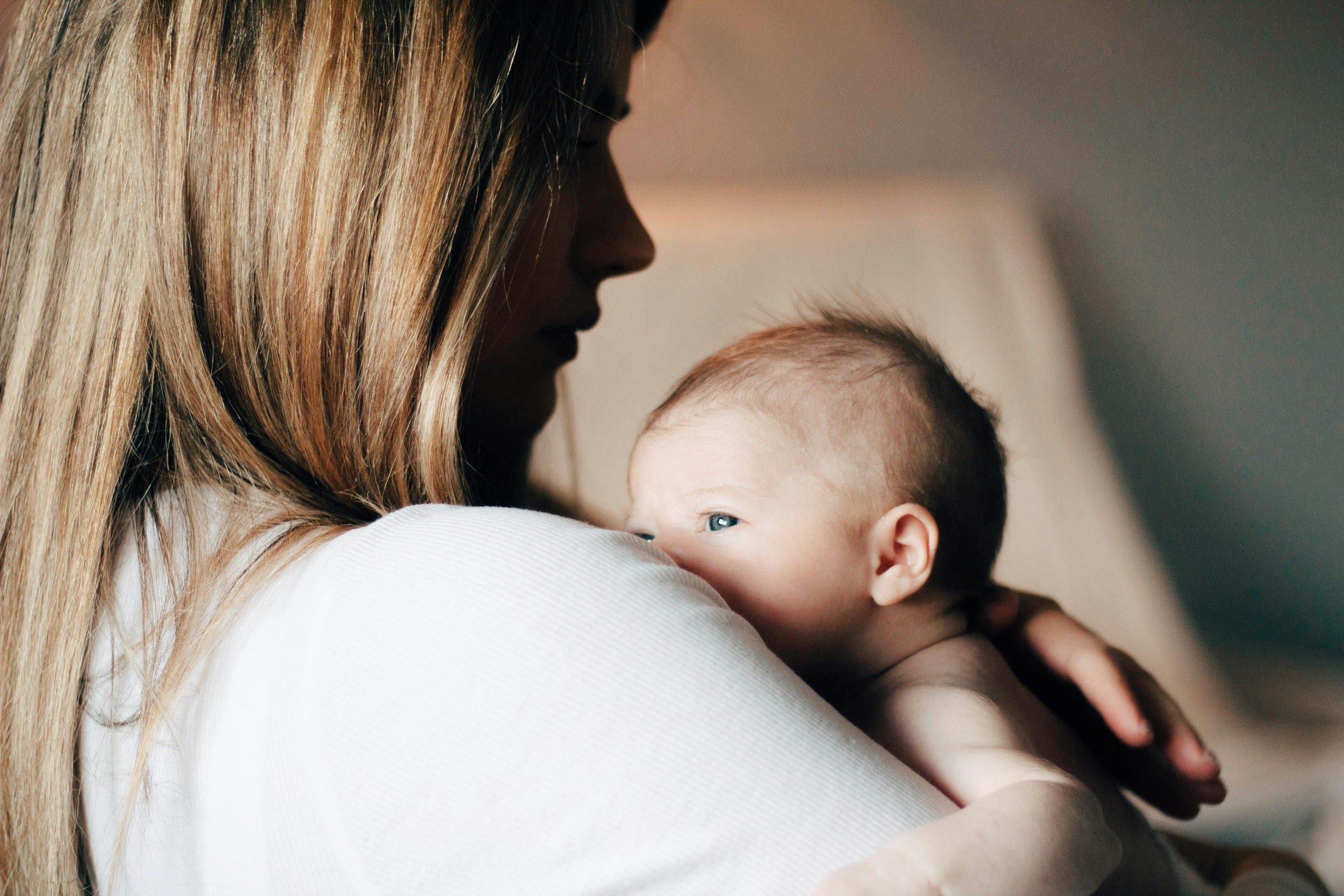
Postpartum anxiety is also real - and often missed
PPD gets most of the conversation. But postpartum anxiety affects roughly 10–15% of new mothers and can be just as debilitating.
Rather than sadness, postpartum anxiety often presents as:
Racing thoughts that won't quiet
Constant worry about the baby's safety
Difficulty sitting still or relaxing
Physical symptoms like a racing heart or shortness of breath
Sleep problems that go beyond newborn wake-ups
Many mothers with postpartum anxiety don't recognise it as anxiety at all — it can look like being a very worried, very "on" new parent. It's only when the worry doesn't lift that the pattern becomes clearer.
What actually helps
If you suspect you're experiencing more than baby blues, the most important thing you can do is tell someone — your OB, your midwife, your doula, a partner, a friend who can help you make an appointment.
Treatment works. Therapy, particularly CBT and IPT, has strong evidence for postpartum depression. Medication is safe for breastfeeding mothers when appropriate and prescribed correctly. Support groups — in person and online — make a genuine difference to how isolated women feel.
Rest and nourishment matter too. Not as a replacement for professional support, but as part of the foundation recovery requires. A body that is depleted — from poor sleep, from not eating, from doing everything alone — is a body that heals more slowly.
You are not failing
We want to say this plainly.
Having postpartum depression or anxiety does not mean you love your baby less. It does not mean you are not cut out for motherhood. It does not mean something is fundamentally wrong with you.
It means your brain is responding to one of the most seismic physical and emotional events a human body can experience — and it needs support.
You deserve that support.
At Sanhu House, our doulas are not mental health professionals. But they are trained to notice, to ask, and to connect mothers with the right help. And they show up day after day so that the weight of the fourth trimester is never carried alone.