Pregnancy and Infant Loss: What Nobody Tells You About Grief
October is Pregnancy and Infant Loss Awareness Month. And while awareness months can sometimes feel like calendar events that pass quietly, this one holds something different for us.
Because 1 in 4 pregnancies ends in loss. Which means that in any room full of mothers - or women who wanted to become mothers - the grief is there. Often silent. Often carried without a name for what it is.
This post is for those women.
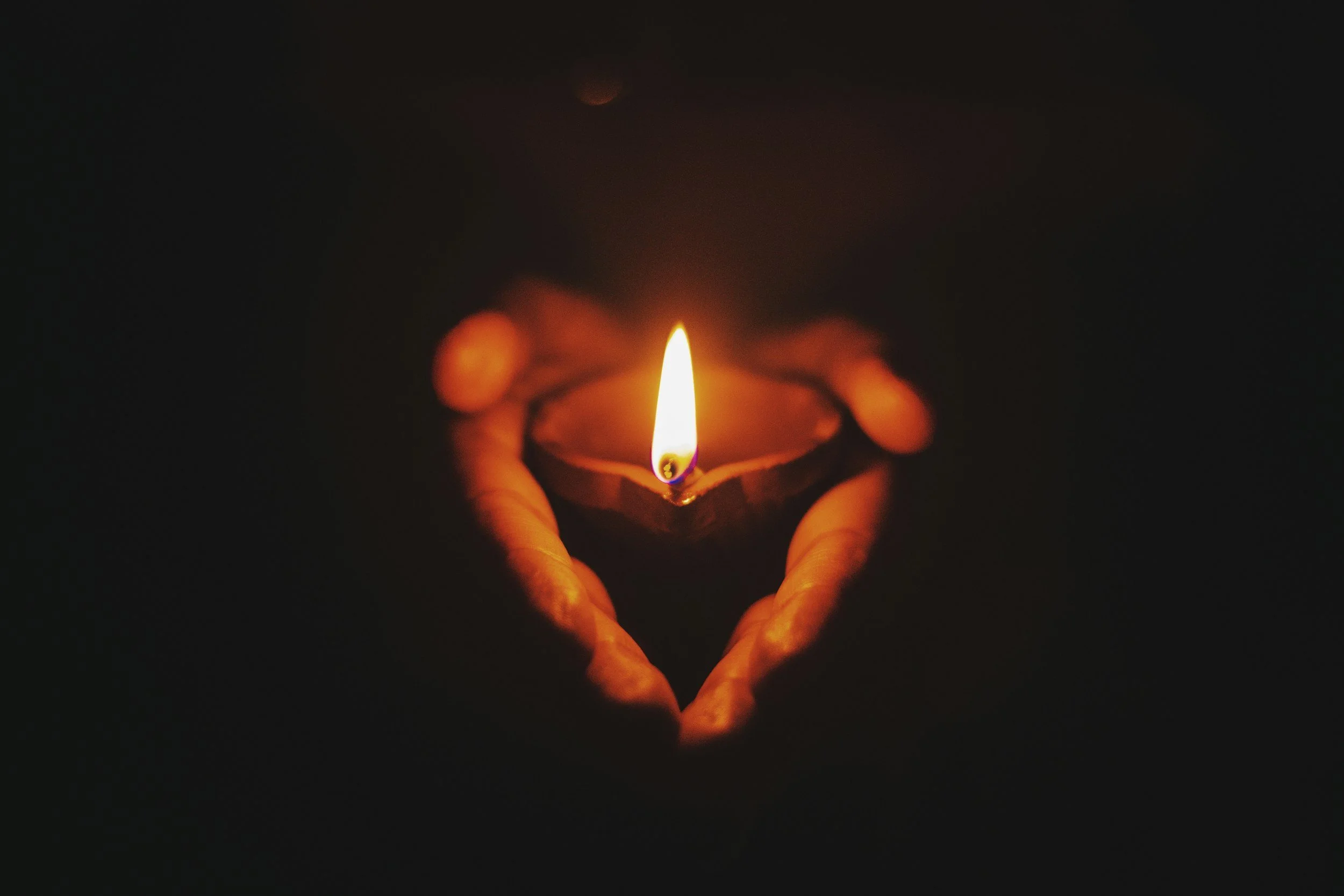
Your grief is real. Even when others don't name it.
There is a particular aloneness that comes with pregnancy loss. The world may not have known you were expecting. There may have been no baby shower, no nursery, no announcement to undo. But there was a baby. There were hopes and plans and a version of your future that existed only in your mind - and then it was gone.
Miscarriage. Stillbirth. SIDS. Infant loss of any kind.
These are not medical footnotes. They are profound losses that deserve to be mourned fully, in whatever way feels right for you.
What grief after loss actually looks like
Grief doesn't always look like sadness. After a pregnancy or infant loss, women often describe:
Numbness and disbelief - particularly in the days immediately following
Anxiety in a subsequent pregnancy - research confirms that women who have experienced loss are at significantly higher risk of anxiety and depression even after a healthy subsequent birth
Isolation - feeling like the people around you don't know how to be with you, so they say nothing
Anger - which can feel confusing, but is a completely natural part of grief
Difficulty with certain days - due dates, baby showers, seeing newborns, Mother's Day
There is no timeline for this. No right way to move through it.
The postpartum no one talks about
What many people don't realise is that loss — even early pregnancy loss — can trigger a postpartum period of its own. Hormones shift. The body still goes through changes. And the emotional landscape is as complex as any fourth trimester.
If you have experienced a loss and are also experiencing:
Persistent low mood that doesn't lift
Difficulty eating or sleeping
Intrusive thoughts or flashbacks
Withdrawal from people you love
Feelings of hopelessness
Please reach out to a professional. Postpartum Support International's helpline (1-800-944-4773) is a good place to start. You don't have to be holding a baby to deserve postpartum support.
On October 15th: The Wave of Light
Every year on October 15th - Pregnancy and Infant Loss Remembrance Day - families around the world light a candle at 7pm in their local time zone. The flame stays lit for at least one hour, creating a continuous wave of light that travels around the globe.
It's a small act. And also a profound one.
If this day holds meaning for you, we hope you'll light your candle. And if you're caring for a mother who has experienced loss, consider lighting one too.
A note from us
At Sanhu House, we have supported mothers through many different postpartum experiences - including loss. We know that recovery after a loss is its own kind of postpartum, and that the need for care, warmth, and someone simply being present is no less real.
If you or someone you know is navigating grief after pregnancy or infant loss, please know you are not alone. We are here to listen — without agenda, without a script.