
Mi-Yuk-Gook: The Korean Seaweed Soup Every New Mom Should Know
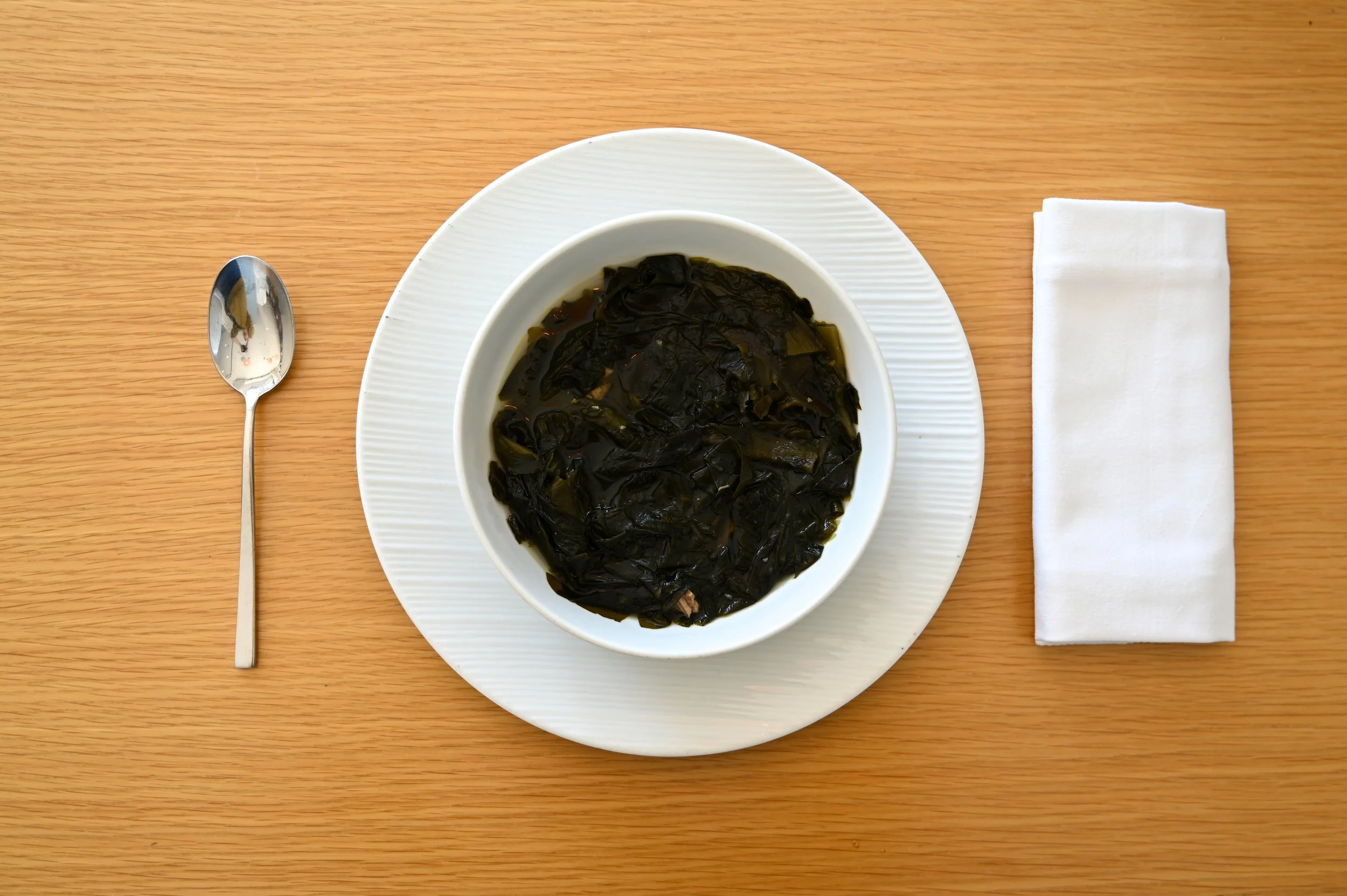
What is Mi-Yuk-Gook?
Mi-Yuk-Gook (미역국) is a traditional Korean seaweed soup made from dried miyeok — brown sea kelp — slow-simmered until the broth turns thick and milky. In Korean culture, it is the essential postpartum meal. Mothers eat it multiple times a day for the first weeks after birth, and in many families it is also eaten on birthdays as a nod to that first recovery period.
The base is simple: soaked seaweed, aromatics, a fat source, soy sauce, and water. What comes out is deeply savory, iron-rich, and remarkably soothing. It is the kind of food that does not ask anything of you when you are already giving everything to a newborn.
In Korean tradition, a mother eating Mi-Yuk-Gook is not just feeding herself. It is an act of deliberate recovery — a cultural agreement that new mothers deserve to be nourished.
Why It Matters for Postpartum Moms
The postpartum body is doing a lot of work, quietly and all at once: rebuilding uterine tissue, producing milk, managing hormone shifts, recovering from blood loss. Mi-Yuk-Gook addresses several of those needs at the same time.
• Iron replenishment. Miyeok seaweed is naturally high in iron, which helps restore levels lost during labor and delivery.
• Iodine for thyroid health. Iodine supports thyroid function, which regulates postpartum energy, mood, and metabolism.
• Lactation support. The soup's minerals and hydration are traditionally associated with supporting breast milk production.
• Deep hydration. A warm, liquid meal that keeps fluid intake up during a time when new moms often forget to drink enough water.
• Uterine recovery. Traditionally believed to aid the uterus in returning to its pre-pregnancy state by supporting circulation.
• Calcium and magnesium. Seaweed is rich in both — important for bone density and muscle recovery after birth.
Beyond the nutrients, there is something a study cannot fully capture: a warm bowl of soup handed to you by someone who made it with care is itself a form of care. It says, someone thought about you today.
How Often Should You Have It During the Fourth Trimester?
Traditional Korean postpartum practice recommends eating Mi-Yuk-Gook one to three times per day for the first three weeks after birth. Some families extend this through the full 100 days. At Sanhu House, our doulas recommend having it at least once daily throughout the fourth trimester, and more on days when you are especially depleted.
Consistency is the point. One bowl eaten occasionally will not do much. A pot on the stove, ready to ladle, that you return to throughout the day — that is the tradition working as intended.
Our Doulas Make This For You
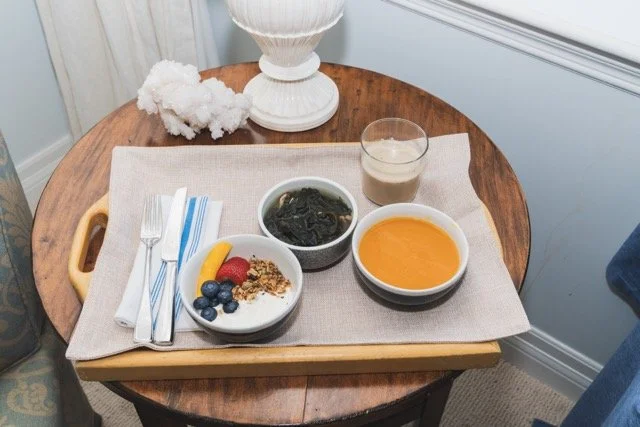
Every Sanhu House doula is trained to prepare Mi-Yuk-Gook as part of postpartum support. It is not an add-on or a special request. It is built into how we care for new mothers. Whether your family follows Korean traditions or you are coming to this soup for the first time, our doulas bring the ingredients, know the technique, and will have a pot simmering before you have had to ask.
We also know that every family is different. Our version of this soup works for both meat-based and vegan preparations, and we adjust seasoning to what feels right for your palate.
The Sanhu House Mi-Yuk-Gook Recipe
Serves 4–6 · Active time: 20 min · Total time: about 1 hour 15 min (including presoak)
There are many variations of seaweed soup across Korean families. Here is the version our Sanhu House doulas cook together.
Ingredients
• 45g dried seaweed
• 200g ground beef (omit for vegan version — see note below)
• 1–2 tbsp minced garlic
• ½ white onion, chopped (or boiled whole for broth and removed)
• 2–4 small potatoes, sliced into bite-sized pieces
• 1½ tbsp perilla oil
• 12 cups cold water (1 cup = 200cc)
• 4 tbsp soy sauce, plus 1½ tbsp to adjust seasoning
Optional add-ons: 1 tbsp fish oil sauce or anchovy tablets, mineral salt to finish
Vegan swap: Substitute ground beef with shiitake mushrooms for a plant-based version that keeps all the minerals.
Instructions
1. Presoak the dried seaweed in cold water for 20–30 minutes. Cold water only — hot water breaks down the texture. This step is non-negotiable.
2. While the seaweed soaks, prep your other ingredients: mince the garlic, slice the potatoes, and chop the onion.
3. Drain the soaked seaweed and slice into manageable pieces.
4. In your pot, stir-fry the ground beef with minced garlic over medium-high heat — no oil needed. (For vegan version: use shiitake mushrooms here instead.) Cook until browned through.
5. Add the seaweed, perilla oil, and soy sauce directly to the pot. Stir-fry together until the seaweed brightens in color, about 2–3 minutes.
6. Pour in the 12 cups of water. Add the potatoes, onion, and if using, the fish oil sauce or anchovy tablets.
7. Bring to a full boil. Then reduce heat and simmer: high heat for 10 minutes, medium heat for 20 minutes, low heat for 20 minutes. You are looking for the broth to shift from clear to a milky, opaque color — that is the signal it is done.
8. Taste and season with additional soy sauce and mineral salt as needed.
9. Finish with a splash of perilla oil stirred in just before serving.
10. Serve over a few spoons of steamed rice for a full, hearty meal.
Doula Tip
Make a large batch and keep it on the stove through the day. This soup deepens in flavor as it sits and reheats beautifully. If you are cooking the vegan version, the perilla oil adds a richness that makes the broth feel especially substantial - do not skip it.
If you are expecting or newly postpartum and curious about what having a Sanhu House doula looks like, we would love to talk. Good postpartum care starts with a bowl of something warm.
