August Is National Breastfeeding Month - And There's a Lot Worth Talking About
Every August, the global health community pauses to celebrate, support, and educate around breastfeeding. It's a month that matters. Not because every mother should breastfeed — but because every mother who wants to deserves real information, real support, and zero judgment either way.
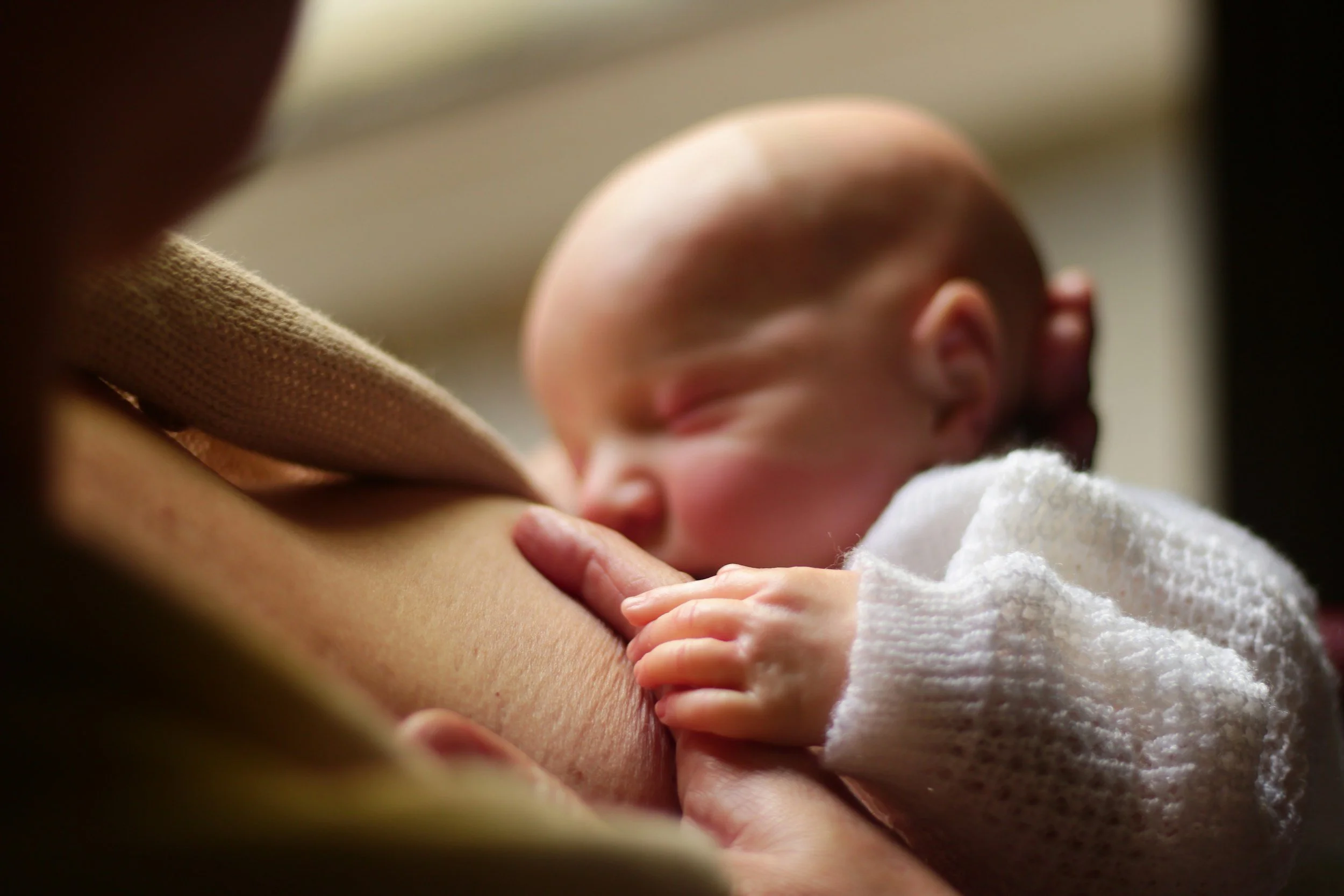
At Sanhu House, we've walked this road with hundreds of new moms. Many members of our own team are mothers ourselves, and almost every single one of us found breastfeeding challenging in completely different ways. Sore nipples, supply worries, a baby who wouldn't latch, oversupply that soaked through everything, going back to work, sheer exhaustion. We've lived it. So when we say we understand, we mean it.
This is for anyone who wants to know the science, the stats, and the surprising facts — without the pressure.
What Does the Research Actually Say About the Benefits?
The evidence behind breastfeeding is some of the most robust in all of pediatric medicine. The American Academy of Pediatrics (AAP), the World Health Organization (WHO), and the American College of Obstetricians and Gynecologists all recommend exclusive breastfeeding for the first six months of life, followed by continued breastfeeding alongside solid foods for at least one to two years.
Here's what decades of peer-reviewed research shows:
For baby:
Reduced risk of ear infections, upper and lower respiratory infections, bronchiolitis, and asthma
Lower rates of gastrointestinal infections, inflammatory bowel disease, and celiac disease
Reduced risk of Type 1 diabetes and childhood obesity
Lower incidence of Sudden Infant Death Syndrome (SIDS)
Higher performance on intelligence and cognitive development tests into adulthood
Protective association against certain childhood cancers (a 2024 study published in JAMA Network Open found a statistically significant lower risk of childhood cancers in children exclusively breastfed for 12 months or more)
For mom:
Reduced risk of breast and ovarian cancer
Lower rates of Type 2 diabetes and high blood pressure
Faster uterine recovery after birth, thanks to the hormone oxytocin released during nursing
Reduced risk of cardiovascular disease later in life
A 2024 review published in Nutrients (University of Iowa, Carver College of Medicine) confirmed that nearly one million children's lives could be saved each year if all children were optimally breastfed. That's not a small number.
Where Are American Moms at With Breastfeeding?
The national picture is worth knowing - especially because it puts any individual experience in context.
According to the CDC's most recent National Immunization Survey data (2022 births):
85.7% of American infants are breastfed at some point - up from 73% in 2004, which is a meaningful improvement
62.1% are still receiving any breast milk at 6 months
40.8% continue breastfeeding at 12 months
Only 27.9% are exclusively breastfed through 6 months, as recommended
One of the most telling statistics: 60% of mothers stop breastfeeding earlier than they intended to. That number says everything about how difficult this can be — and how much more support mothers need.
The US has a long way to go to meet its Healthy People 2030 targets (42.4% exclusive breastfeeding through 6 months and 54.1% breastfeeding at one year), but the trajectory is moving in the right direction.
Can Breastfeeding Help With Postpartum Depression and Anxiety?
This is one of the most nuanced conversations in postpartum mental health - and it deserves nuance.
The short answer: breastfeeding can have a protective effect on PPD for many women, but the relationship is bidirectional and deeply personal.
A meta-analysis published in the Journal of Affective Disorders found that breastfeeding was associated with a 14% lower risk of postpartum depression overall. Women who breastfed for more than one month saw a 37% lower risk compared to those who never breastfed. Exclusive breastfeeding compared to never breastfeeding was associated with a 53% lower risk of PPD.
The biological reasons behind this make sense. Breastfeeding triggers the release of prolactin and oxytocin — hormones that naturally reduce stress, promote bonding, and have anxiety-reducing effects. Prolactin in particular has well-documented calming properties.
A 10-year prospective study published in BMJ Open in 2026 (yes, this year) found that breastfeeding was associated with lower rates of depression and anxiety in mothers for up to a decade after pregnancy. That's a long-horizon benefit that rarely gets talked about.
But here's what the research also shows, and what we at Sanhu House think is equally important to say out loud:
Women who planned to breastfeed but were unable to had the highest risk of PPD in several large longitudinal studies. And research published in 2023 and 2024 found that perceived pressure to breastfeed was associated with increased symptoms of anxiety, depression, and birth trauma.
The takeaway? Breastfeeding can protect mental health - but only in a context of choice, support, and realistic expectation. Pressure does the opposite.
The Fun Facts (They're Worth Knowing)
Breast milk is genuinely one of the most remarkable substances in human biology. Here are some facts that tend to stop people mid-conversation:
It burns serious calories. Producing breast milk burns an estimated 450–500 calories per day - roughly equivalent to a 45-minute run. The American College of Obstetricians and Gynecologists recommends that breastfeeding moms add around 450–500 calories to their daily intake to compensate, so don't skip the snack.
Your milk changes color — and it's smarter than it sounds. Fresh mature milk has a bluish-white tinge. Colostrum (the milk your body makes in the first few days) is deep yellow-orange because it's concentrated with antibodies, protein, and immune factors. What's truly wild: when your baby is sick, your milk composition shifts. Research published in Pediatric Research and Clinical & Translational Immunology found that when a baby nurses while ill, microorganisms from their saliva can backflow into the breast, triggering a local immune response. The body reads that signal and ramps up white blood cell production, immune factors, and infection-fighting compounds — sometimes visibly changing the color of the milk to a deeper yellow. Your body is essentially running a custom immune pharmacy for your specific baby, in real time.
It changes during a single feeding. The milk at the beginning of a feed (foremilk) is thinner and more hydrating. By the end (hindmilk), it's richer and higher in fat. Babies who nurse long enough get the full spectrum.
It adjusts for twins. Each breast can produce milk calibrated to each twin's individual needs if they nurse on different sides. The body is keeping track separately.
Nursing multiples is next level. Women breastfeeding twins or triplets can produce anywhere from 2,000 to 3,000 grams of milk per day. The body will meet the demand if given the chance.
Tips for Breastfeeding Success (From People Who've Been There)
There's no shortage of advice about breastfeeding online, but a lot of it either oversimplifies or terrifies. Here's what actually matters, distilled from clinical guidance and lived experience:
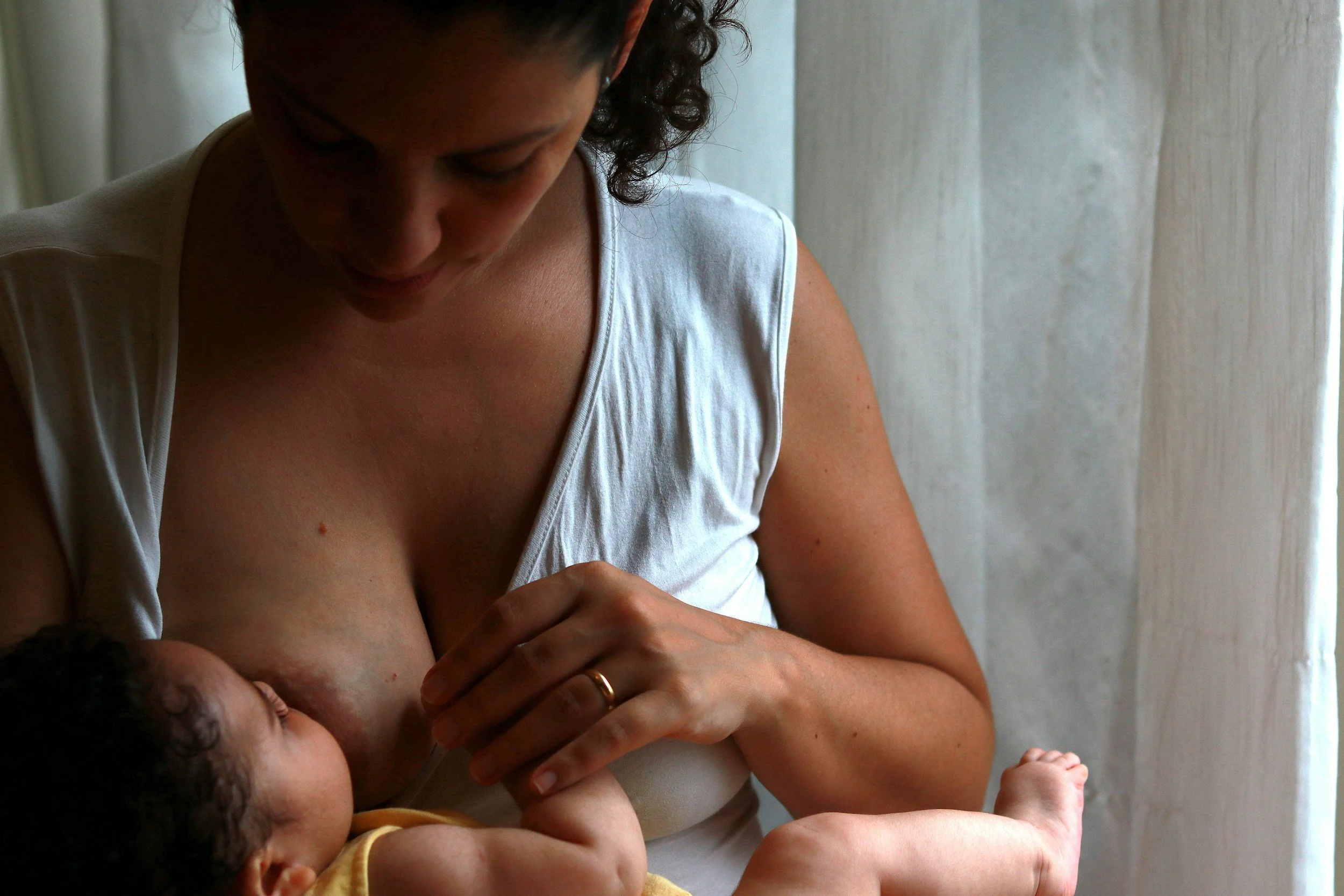
The latch is everything. A poor latch is the root cause of most early breastfeeding pain. Your baby's mouth should cover most of the areola — not just the nipple. Signs of a good latch include rhythmic sucking, audible swallowing, and nipples that come out round (not compressed or pinched) after a feed. If something feels wrong, it probably is — and that's fixable with help.
See a lactation consultant early. Before you're struggling, ideally. An IBCLC (International Board Certified Lactation Consultant) can spot latch issues, tongue ties, positioning problems, and supply concerns that most people will miss. Think of it like seeing a physio after an injury — you wouldn't try to figure it out alone.
Feed frequently in the early weeks. Supply is built on demand. The more you nurse (8–12 times in 24 hours is typical for a newborn), the more your body produces. If your breasts feel "empty," that's often your body recalibrating, not a sign of low supply.
Skin to skin does more than you think. Holding your baby skin to skin triggers hormonal cascades that stimulate milk production, calm both of you, and support bonding. It's free, requires no equipment, and has decades of evidence behind it.
Sore nipples in the first few weeks are common — they shouldn't be the whole story. Tenderness as your body adjusts is normal. Pain that makes you dread a feed is not something to push through alone. After nursing, apply a few drops of your own breast milk to your nipples and let them air dry — breast milk has natural antibacterial and healing properties.
Ask for help. More than once. Breastfeeding support should be ongoing, not a one-time visit before discharge. Reach out to your midwife, IBCLC, OBGYN, or a breastfeeding group when things feel hard - which they often will.
A Word on Feeding Choices
We want to say this clearly and without caveats:
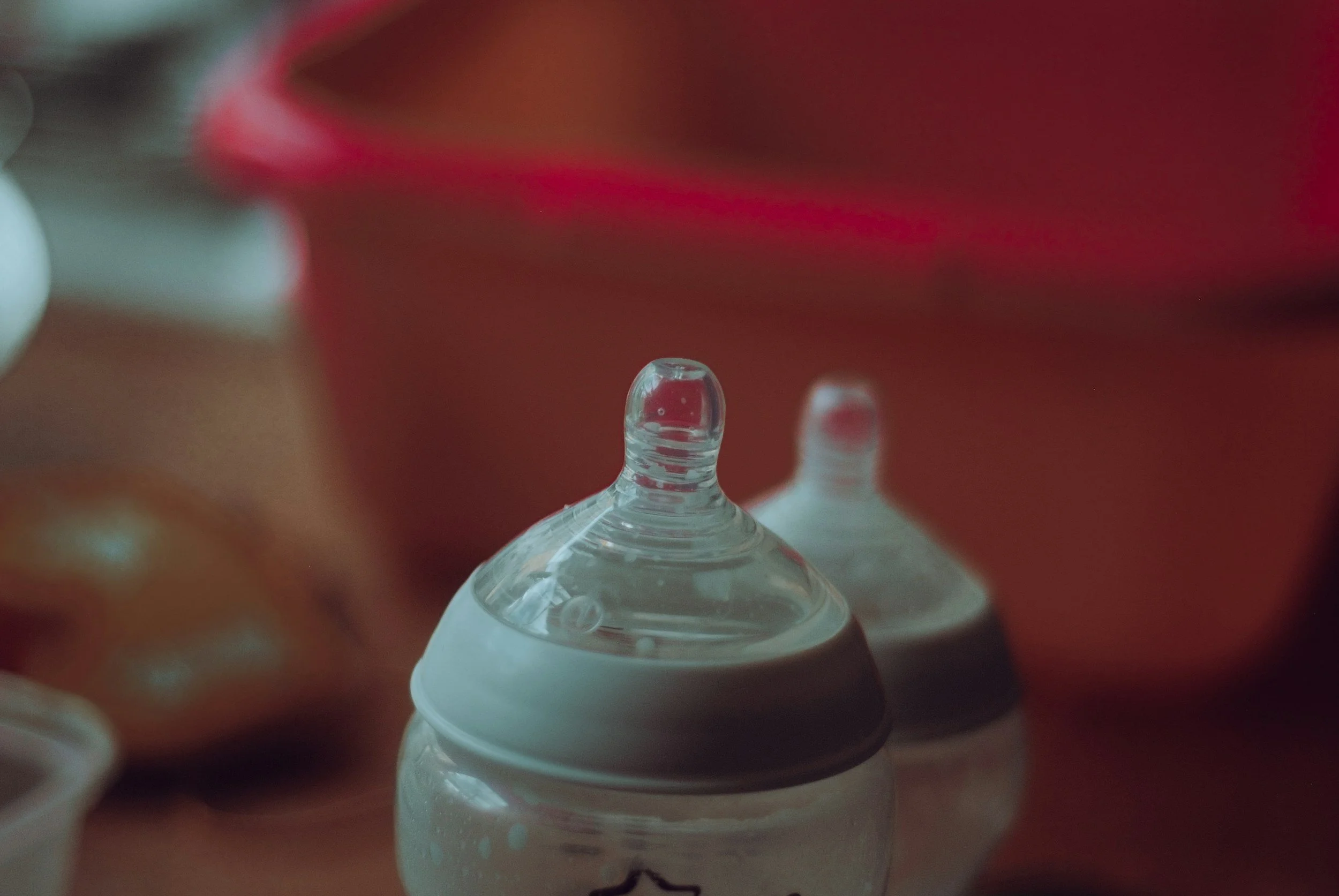
At Sanhu House, we support whatever feeding decision is right for you. Breastfeeding. Formula feeding. Combination feeding. Exclusive pumping. What matters most is that both you and your baby are nourished, healthy, and cared for.
The research on breastfeeding benefits is real and worth knowing. But so is the research on maternal mental health, on the physical demands of new motherhood, on how supply doesn't always come easily, and on the fact that a stressed, depleted mother is not able to give her best regardless of how she feeds.
We've had moms in our program who breastfed through immense difficulty and found it deeply meaningful. We've had moms who moved to formula and finally started to feel like themselves again. Both of those paths are valid. We will never make you feel otherwise.
This August, we hope every new mother gets what she actually needs - real information, real support, and the freedom to make the choice that works for her family.
Sources: American Academy of Pediatrics (2024), CDC National Immunization Survey 2022–2024, WHO Infant Feeding Guidelines, Nutrients (2024, University of Iowa), JAMA Network Open (2024), Journal of Affective Disorders (meta-analysis), BMJ Open (2026), Pediatric Research, Clinical & Translational Immunology, US Dietary Guidelines 2020–2025, ACOG Lactation Guidelines.