
The Long-Term Cost of Skipping Postpartum Recovery
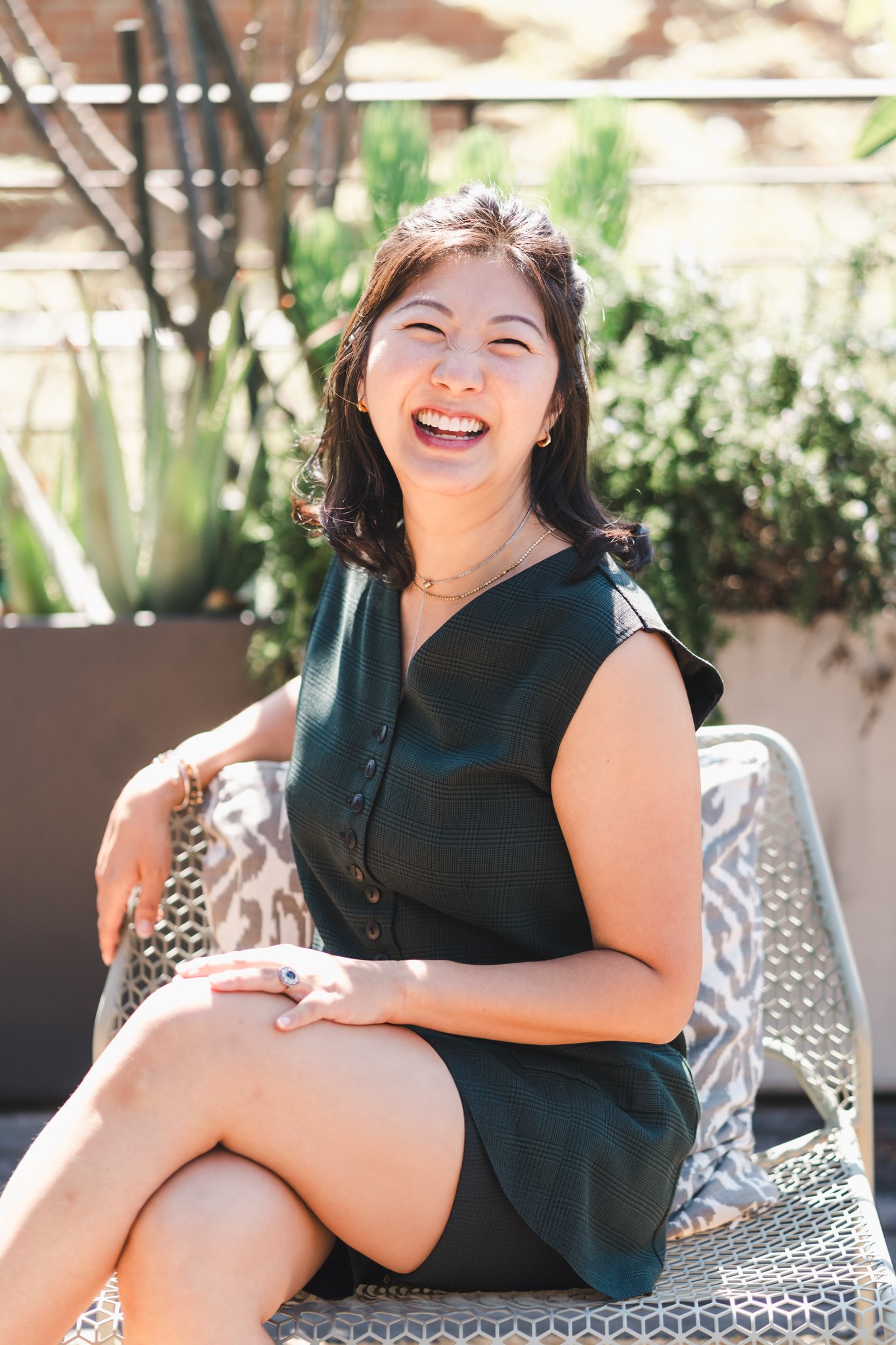
Our founder Julia Grace Kim shares her personal story
Every morning, I lay out my medications before I do anything else.
There's a thyroid hormone replacement. An anti-inflammatory. A handful of supplements to support my immune system. It takes about five minutes. I've been doing it for years now.
I never did this before I had my baby.
I have Hashimoto's disease — a chronic autoimmune condition where the immune system attacks the thyroid gland. I developed it postpartum. And the more I've learned about why, the more I've needed to share it.
What Happened to My Body
During pregnancy, the immune system suppresses itself. It has to. Your body needs to tolerate a genetically foreign being growing inside it. So it dials back its activity — and then after birth, it comes back online. Fast.
For most people, that reboot is manageable. For some of us — especially those who pushed through the fourth trimester without adequate rest — the immune system overcorrects. It becomes hyperactive. And when that happens, it can start attacking tissue that's supposed to be off-limits.
That's what Hashimoto's is. An immune system misfiring. Attacking the thyroid. And once it starts, it doesn't stop.
I was someone who thought postpartum recovery was something you pushed through. I had things to do. I was running a company. I had a baby to care for. The idea of genuinely resting — for weeks — felt indulgent, even irresponsible.
I had no idea that doing too much, too fast, was a decision with a decades-long price tag.
The Signs I Ignored
Looking back, my body was telling me things I didn't know how to read.
I was exhausted in a way that felt different from normal new-mother tiredness. Sleep, when I got it, didn't help. I had brain fog that would descend mid-conversation. My hair was coming out more than I expected. I was cold all the time — even in summer. I gained weight in the weeks after birth instead of losing it. My joints ached.
I chalked everything up to new motherhood. That was the story I told myself, and nobody pushed back on it.
These are also the early signs of Hashimoto's disease — and the overlap with normal postpartum symptoms is exactly why so many cases go undetected for months, sometimes years.
Signs You May Be Doing Too Much Postpartum
The cultural script for new mothers is to recover quickly and resume normal life as soon as possible. That script costs people dearly. Here's what doing too much postpartum can look like — and what your body might be trying to tell you:
Physical signs your body is under stress:
Exhaustion that doesn't improve with sleep
Hair loss beyond the typical postpartum shedding (which peaks around 3–4 months)
Persistent muscle aches or joint pain with no clear cause
Feeling cold when others around you are comfortable
Heart palpitations or a racing pulse
Swelling, especially in the face or extremities
Healing slower than expected from your birth
Cognitive and emotional signs:
Brain fog that makes it hard to track a conversation or remember words
Mood instability beyond typical postpartum hormonal shifts
A sense that you're always running on fumes, no matter what
Behavioral patterns that signal your body isn't getting what it needs:
Returning to physically demanding activity within the first two weeks
Skipping meals or eating irregularly because you're too busy
Prioritizing everyone else's needs while your own recovery goes untended
Feeling like resting is a waste of time
None of these are definitive diagnoses. But they are worth paying attention to — and worth raising with a provider who takes postpartum health seriously.
What to Know About Hashimoto's Disease (Postpartum)
Hashimoto's thyroiditis is the most common autoimmune thyroid condition, and postpartum women are among the highest-risk groups. Here's what the research shows and what to look for:
What it is: Hashimoto's is a condition where the immune system produces antibodies that attack the thyroid gland over time. The thyroid, which regulates metabolism, temperature, energy, and mood, becomes progressively less functional.
Why postpartum triggers it: The sharp hormonal and immune shifts that follow birth create conditions where autoimmune conditions can emerge for the first time or dramatically worsen. Women who are already genetically predisposed and who experience high physiological stress during recovery are at greater risk.
Postpartum thyroiditis vs. Hashimoto's: It's worth knowing that postpartum thyroiditis is a distinct (and more common) condition where thyroid function fluctuates for several months after birth. Some cases resolve on their own. Hashimoto's is chronic and progressive. A provider can distinguish between them with bloodwork.
Key markers to ask your provider about:
TSH (thyroid-stimulating hormone)
Free T4 and Free T3
TPO antibodies (thyroid peroxidase antibodies — the Hashimoto's-specific marker)
Many standard postpartum checkups don't include TPO antibody testing. If you have symptoms and your TSH looks "normal," ask about the antibody panel specifically.
Symptoms that are often missed:
Fatigue (often dismissed as normal for a new mother)
Weight changes that don't respond to diet or exercise as expected
Depression or anxiety that begins or worsens postpartum
Dry skin, brittle nails, thinning hair
Constipation
A feeling of fullness or tightness in the throat
Difficulty concentrating
These symptoms can appear months before a diagnosis is made. If something feels persistently wrong, trust that. Advocate for a full thyroid panel.
What Real Recovery Actually Looks Like
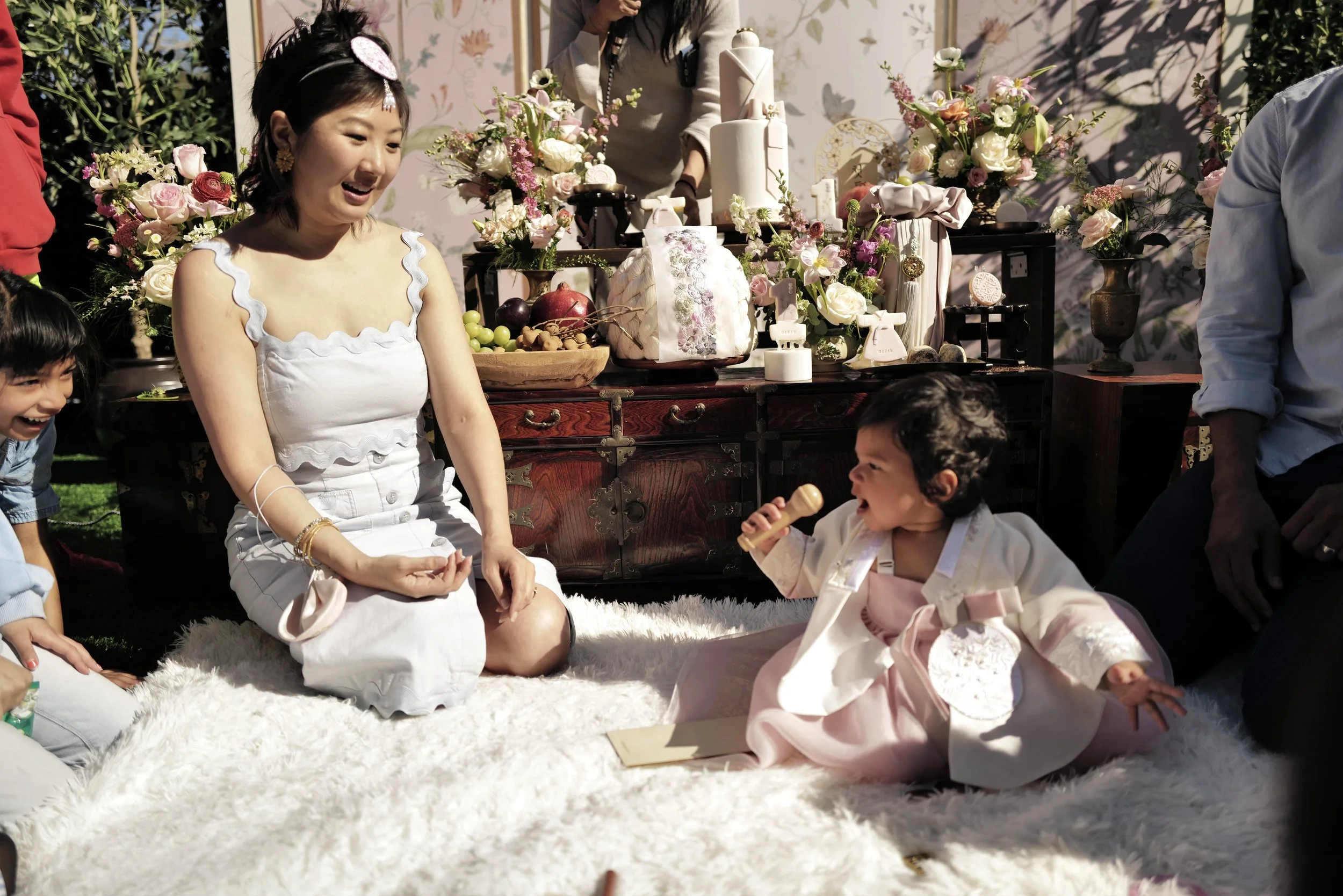
The Korean tradition of sanhujori - where the postpartum period is treated as a critical time of restoration - prescribes roughly 100 days of intentional recovery. Warm foods. Minimal physical exertion. Constant support from family or community.
This isn't cultural nostalgia. It's protective. Generations of women knew intuitively what research is now confirming: the body after birth is vulnerable in specific, serious ways. Rest isn't passive. It's an active form of healing.
Real postpartum recovery includes:
Rest that's actually restful. Not "rest while you're also managing the house and fielding visits and answering texts." Genuine, protected sleep and physical stillness, especially in the first two weeks.
Warmth and nourishment. Traditional postpartum practices across cultures prioritize warming foods and broths for good reason — digestion slows after birth, and the body needs fuel that's easy to absorb. Cold food, cold environments, and irregular eating all add physiological stress.
Support that covers the things you can't do right now. Not just baby care, but your care. Someone helping with meals, with logistics, with nighttime so you can sleep.
A slower return to normal. Six weeks is the minimum often cited by providers, but many postpartum experts suggest that a fuller recovery takes closer to six months to a year. That doesn't mean staying in bed for a year — it means being honest about capacity and not forcing your body back to a pre-baby baseline before it's ready.
What I'd Tell You Now
I'm not here to tell you that if you skip postpartum rest you will get Hashimoto's. That's not how any of this works. There are genetic factors, immune factors, things that weren't in my control.
But I am here to tell you that my recovery — the way I treated those first weeks — made me more vulnerable than I needed to be. And I live with that every day, in a handful of pills before breakfast.
If you're pregnant right now, this is the time to plan for recovery. Not just a birth plan — a recovery plan. Who will help you? What do you need? What can you let go of for those first weeks?
If you're in your fourth trimester right now, you don't have to push through. Asking for help and actually resting are not signs of weakness. They are the most intelligent things you can do for your long-term health.
Your body will spend a long time being asked to do hard things. This particular window — right now — is asking for something different.
Let it have it.
Sanhu House provides postpartum recovery support across Los Angeles and Orange County, California. We offer The Stay, The Care (At Home), and The Nights — all built around the principle that mothers recover better with real, wraparound support. If you're planning your fourth trimester, we'd love to talk.
